Carnegie Mellon Racing — Aerodynamic Design & Composite Manufacturing
My role
As part of Carnegie Mellon Racing’s aerodynamics team, I worked within the side diffuser subgroup. My primary project was designing seal geometry along the outer edge of the side diffuser skirt. I also explored bargeboard concepts, contributed to composite structural analysis, and helped manufacture aerodynamic components.
Side diffuser seal development
I began with limited aerodynamics experience, so I researched underfloor airflow and aerodynamic sealing before developing concepts. The goal was to improve downforce efficiently by managing airflow along the diffuser’s outer edge.
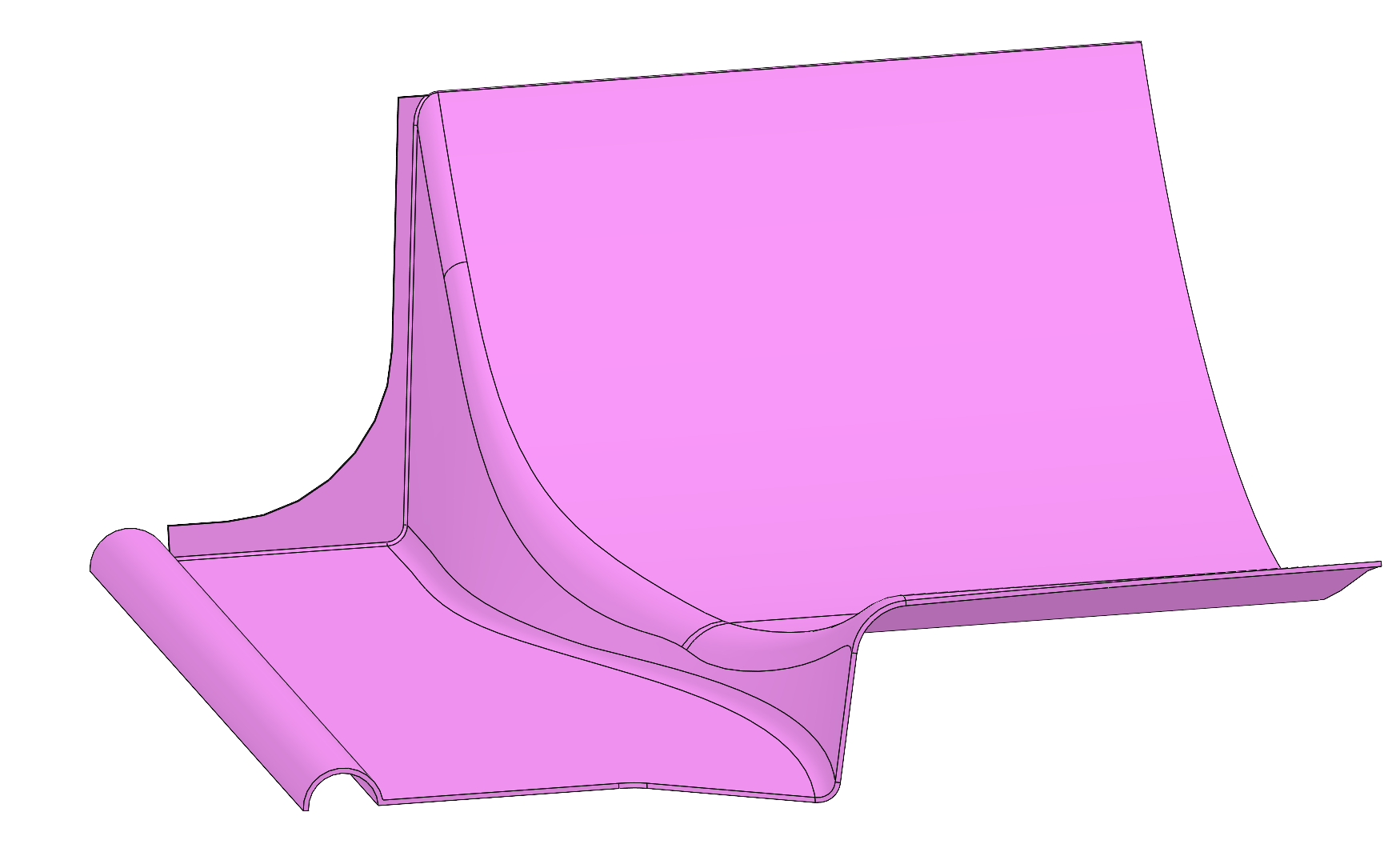
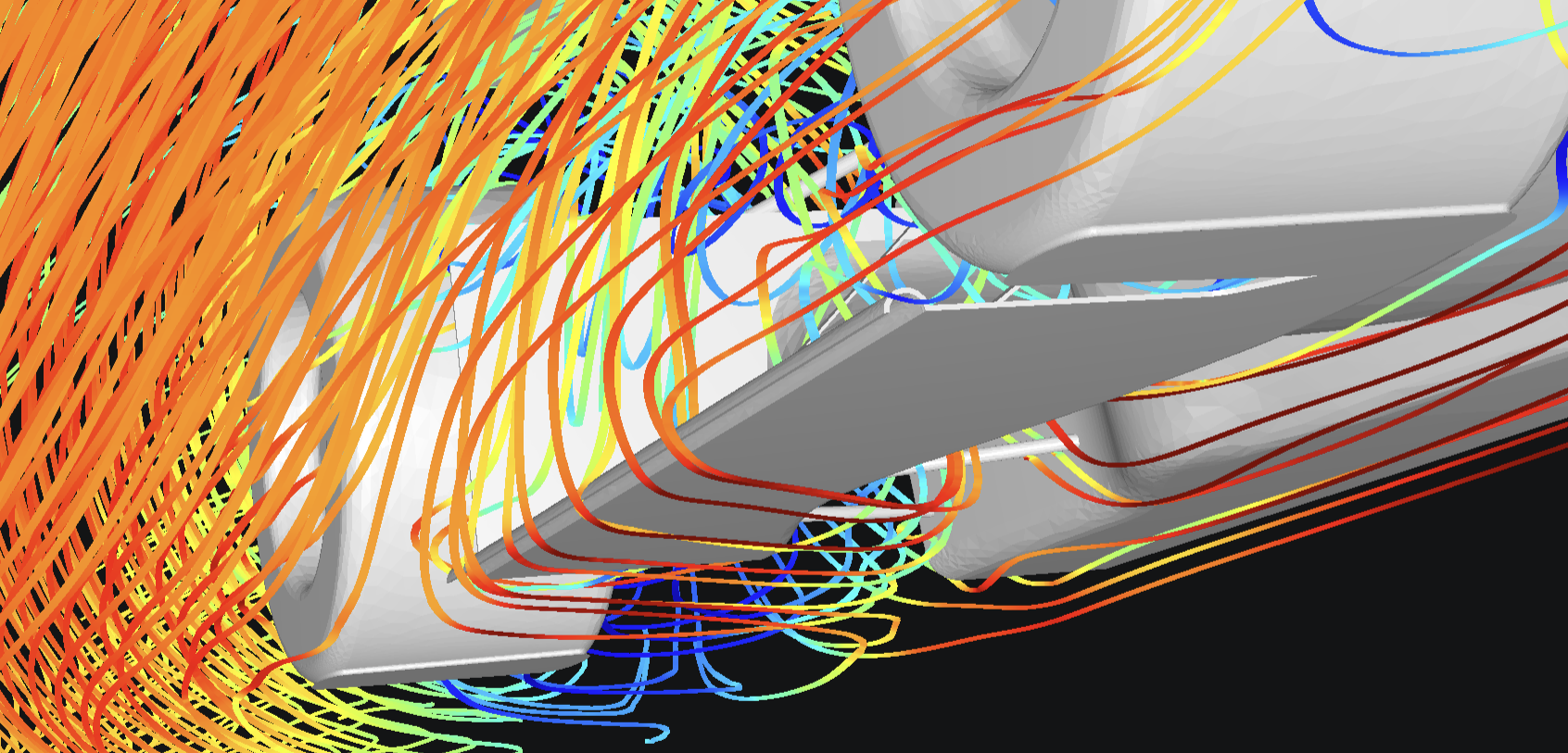
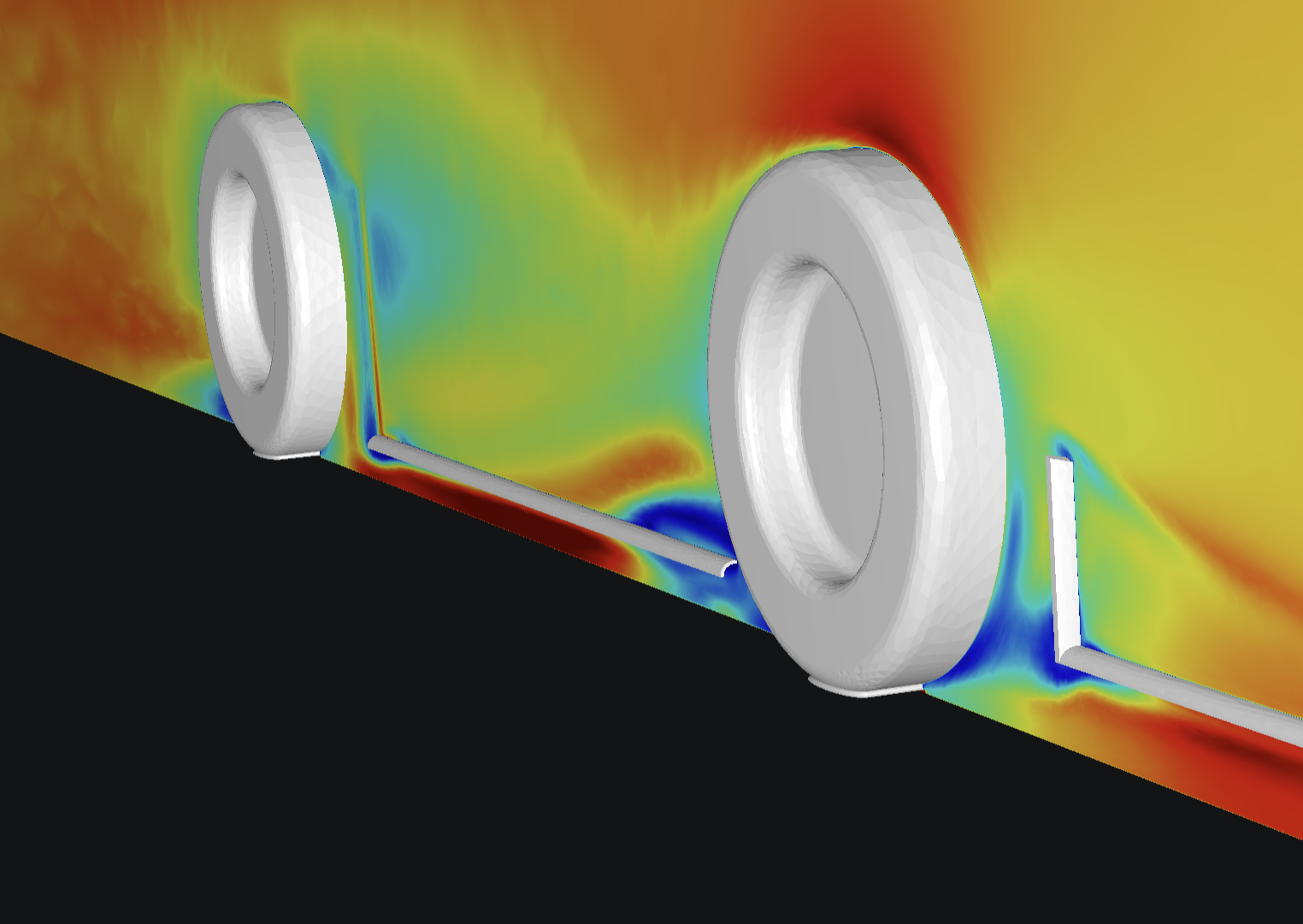
I developed oval and semicircular seal profiles in CAD, varying their dimensions across multiple designs. I set up and ran simulations in Luminary CFD, comparing lift and drag coefficients to evaluate aerodynamic efficiency.
The medium-radius semicircular profile produced the best downforce-to-drag ratio among the configurations I tested. After I presented the results, the team agreed that the predicted aerodynamic benefit justified the small weight addition. The seal was incorporated into the final car, and I helped manufacture it through mold preparation and carbon-fiber layup.
Exploring bargeboards
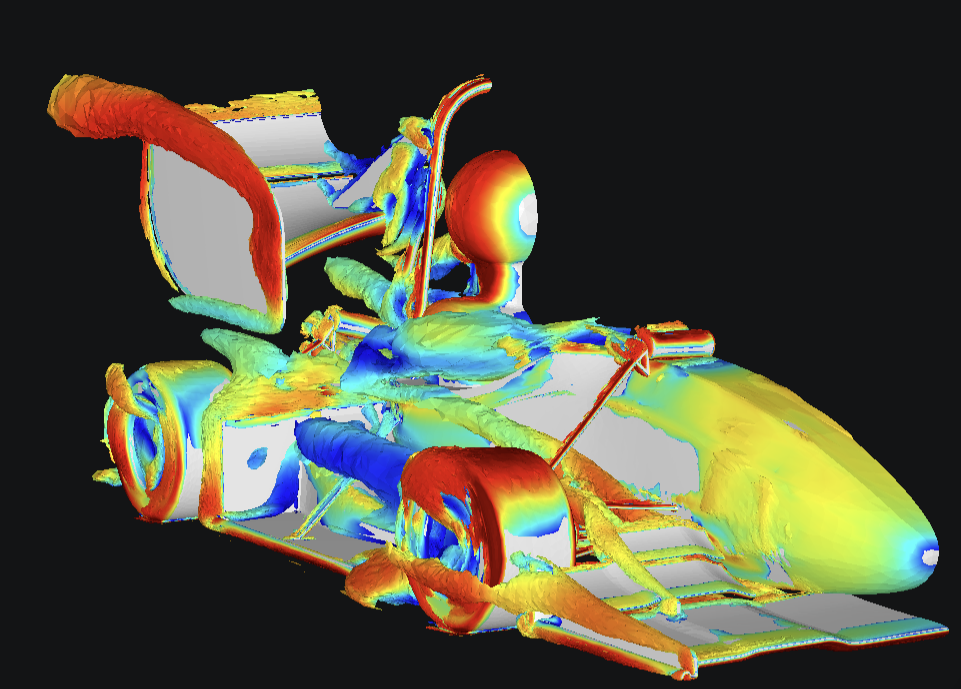
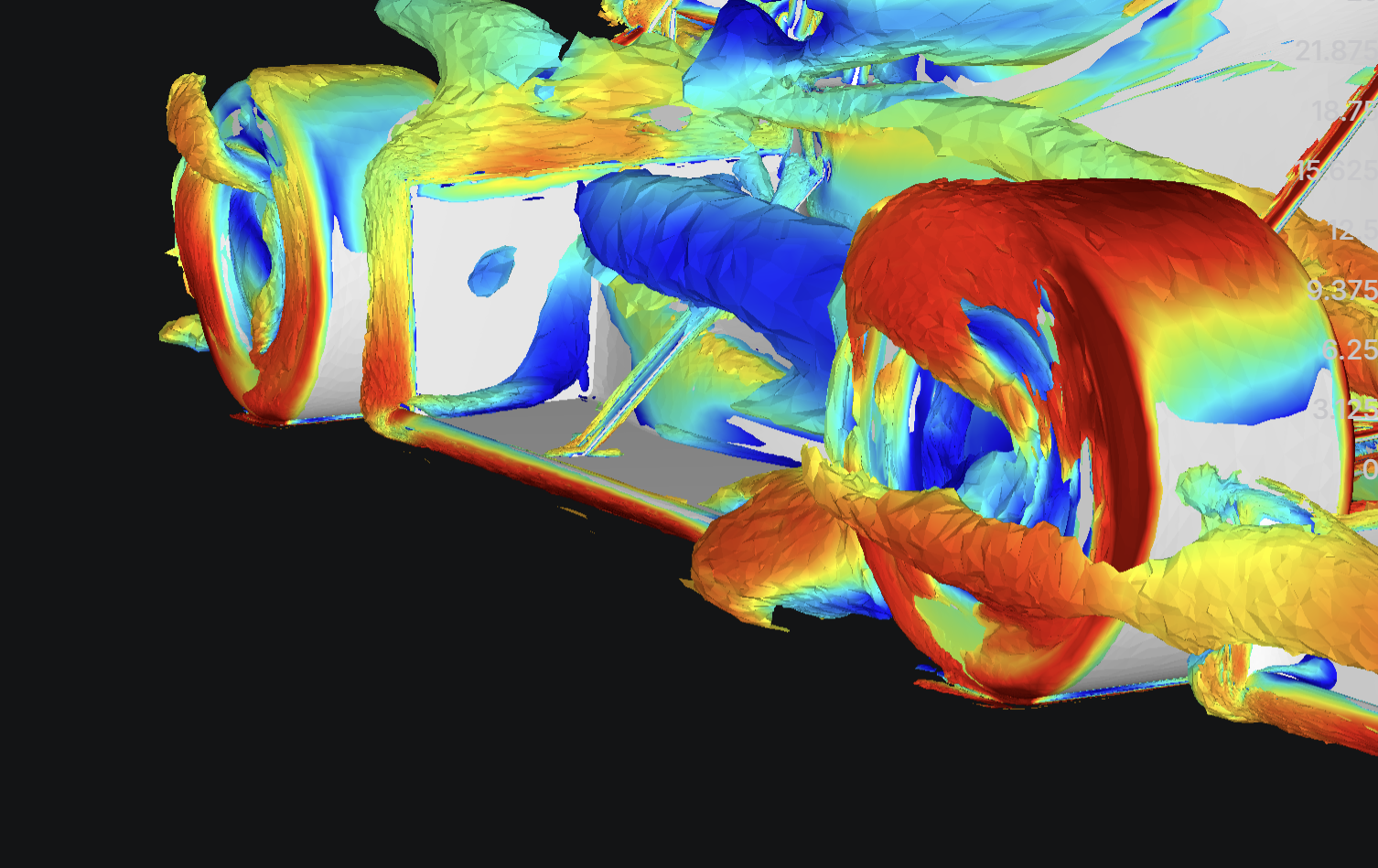
I researched bargeboard designs used by other Formula SAE teams and Formula One teams, developed several concepts, and evaluated them in Luminary CFD.
The simulations showed improvements in downforce-to-drag ratio, but the estimated weight of the larger components outweighed their aerodynamic benefit in the team’s assessment. We chose not to implement them. This reinforced the importance of evaluating a component’s contribution to the whole car rather than optimizing one metric alone.
Composite analysis and manufacturing
Alongside aerodynamic development, I performed composite finite element analysis on selected aerodynamic components to assess whether their carbon-fiber layup schedules were suitable for the modeled loads. I also helped with mold preparation and carbon-fiber layups for other components.
What I learned
This work taught me how to build knowledge in an unfamiliar engineering discipline and use simulation to compare design alternatives. Taking the seal from research and CAD through manufacturing was especially rewarding. Comparing it with the bargeboard concepts showed me why aerodynamic improvements must be weighed against added mass and practical implementation.